Popular Articles

Route Risk Analysis Using Machine Learning
Route risk analysis employing machine learning offers a data-driven approach to identify transportation hazards and optimize safety. This method suits logistics companies, urban planners, and fleets aiming to cut accident rates and improve route reliability. By analyzing large-scale traffic, weather, and geographic data, machine learning predicts high-risk segments and suggests safer alternatives. The technique advances beyond traditional heuristics, adapting dynamically to evolving conditions and reducing human bias.
logistics

Automating Customs Documentation with Intelligent Systems
Global trade complexity has reached a tipping point where manual data entry is no longer a viable business model. Intelligent automation in logistics transforms the chaotic process of cross-border compliance into a structured, high-speed digital pipeline. This article breaks down how modern firms are leveraging machine learning and cloud infrastructure to eliminate delays at the port and reduce human error by up to 95%.
logistics

AI-Based Cold Chain Monitoring Systems
The global perishable goods market loses over $350 billion annually due to temperature excursions. Modern cold chain management is shifting from reactive data logging to proactive, AI-driven intervention. This article examines how integrating machine learning with IoT sensors creates a self-healing logistics network, ensuring product integrity from pharmaceutical labs to grocery shelves while drastically reducing operational waste.
logistics

Sustainability in Logistics Through AI Modeling
The global supply chain is responsible for approximately 11% of total carbon emissions, putting immense pressure on logistics providers to modernize. Artificial Intelligence is no longer a luxury but a fundamental necessity for achieving net-zero targets by optimizing route efficiency and load capacity. This article explores how data-driven modeling transforms traditional transportation networks into sustainable ecosystems, balancing environmental responsibility with bottom-line profitability for global carriers.
logistics

AI-Driven Last-Mile Delivery Optimization
The "last mile" is no longer just a logistical phase; it is the battlefield where customer loyalty is won or lost. For retailers and 3PL providers, this final leg accounts for up to 53% of total shipping costs, driven by rising fuel prices and the demand for instant gratification. This article explores how machine learning and predictive analytics solve chronic inefficiencies in courier routing, fleet allocation, and customer communication. By leveraging real-time data, businesses can transform a cost-heavy operation into a competitive advantage characterized by precision and scalability.
logistics
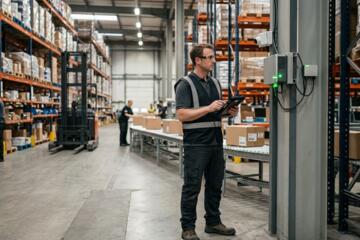
Reducing Warehouse Downtime with AI Monitoring
Operational interruptions in modern logistics centers cost an average of $3,000 to $10,000 per minute, turning minor technical glitches into massive financial leaks. This guide explores how computer vision and machine learning identify bottlenecks before they trigger a shutdown, specifically designed for operations managers and CTOs looking to stabilize throughput. By shifting from reactive repairs to predictive intelligence, facilities can recover up to 25% of lost productive time within the first quarter of implementation.
logistics
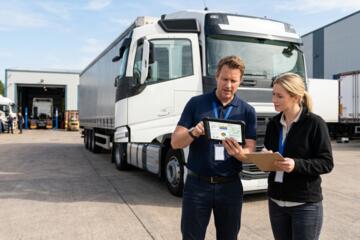
Smart Fleet Management Using Predictive Analytics
Modern logistics operations are moving away from reactive maintenance and static routing toward a proactive, data-driven ecosystem. This guide explores how predictive analytics transforms traditional fleet management into an intelligent, self-optimizing network by identifying patterns before they become costly failures. Designed for fleet owners and operations managers, we examine the integration of telematics, machine learning, and real-time data to slash operational costs and improve driver safety.
logistics
AI for Demand Forecasting in Global Supply Chains
This article examines how predictive intelligence is revolutionizing inventory management for multinational enterprises. We analyze the shift from reactive, historical-based planning to proactive, machine-learning-driven architectures that mitigate the risks of "bullwhip effects" and stockouts. For supply chain leaders, this guide provides a technical roadmap for integrating neural networks and external data streams to achieve leaner operations and higher service levels.
logistics
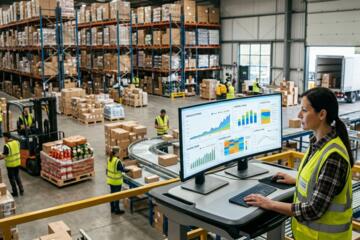
AI-Enhanced Demand Forecasting for Seasonal Logistics
Navigating the volatile peaks of seasonal logistics requires more than just historical intuition; it demands a predictive framework capable of processing real-time market shifts. This guide explores how advanced machine learning models replace rigid spreadsheets to minimize stockouts and reduce carrying costs during high-demand periods. We provide supply chain leaders with a technical roadmap for integrating predictive analytics into existing ERP and WMS ecosystems to ensure operational resilience when the pressure is highest.
logistics
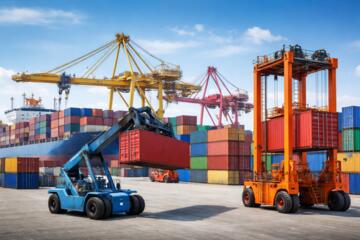
Next-Gen Port Automation with Machine Vision
This article explores the shift from manual monitoring to autonomous visual intelligence in modern shipping hubs. We examine how high-speed cameras and neural networks solve the persistent bottlenecks of gate congestion and container misplacement. Designed for terminal operators and logistics architects, this guide provides a roadmap for integrating machine vision to achieve sub-second processing speeds and 99.9% data accuracy in high-throughput environments.
logistics