Efficient warehouse management is essential for businesses aiming to maintain a competitive edge in today’s fast-paced market. A well-organized and optimized warehouse not only saves time but also minimizes costs, reduces errors, and improves customer satisfaction. Whether you manage a small storage space or a large distribution center, implementing the right strategies can have a huge impact on overall performance.
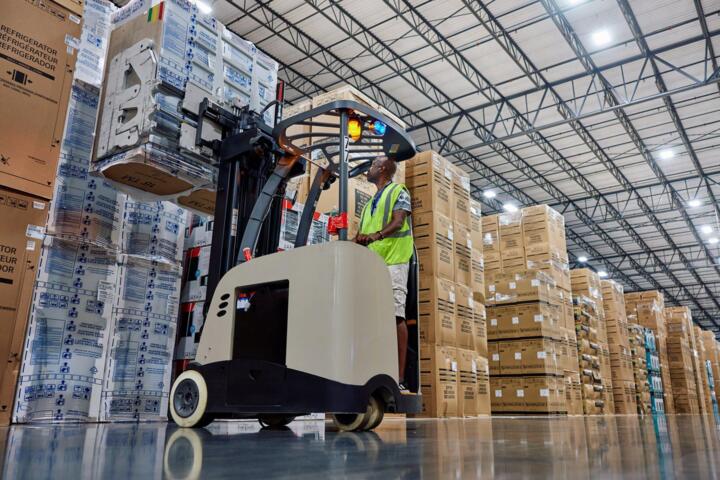
Key Strategies for Warehouse Optimization
-
Warehouse Layout and Design The physical layout of your warehouse is one of the most critical factors in improving efficiency. A well-organized layout minimizes travel time for employees and streamlines the flow of goods. Optimizing storage spaces, using vertical space effectively, and strategically placing high-demand items closer to packing areas can reduce unnecessary movement. Consider using zoning strategies, such as categorizing products by type or frequency of use, to improve picking times.
-
Leveraging Automation and Technology Automation plays a vital role in modernizing warehouse management. Incorporating tools like automated storage and retrieval systems (ASRS), conveyor belts, and robotics can reduce manual labor, improve accuracy, and speed up operations. Additionally, warehouse management software (WMS) can track inventory in real-time, helping manage stock levels, predict demand, and optimize replenishment. By integrating technology, you can also reduce human error and increase productivity.
-
Inventory Management Accurate and efficient inventory management is the backbone of warehouse operations. Using barcodes, RFID, or even QR codes to track products can help ensure that inventory levels are constantly updated, reducing the chances of overstocking or running out of stock. Implementing just-in-time (JIT) inventory practices can further reduce storage costs and improve cash flow. Regular audits and cycle counts can also help maintain inventory accuracy, minimizing discrepancies and losses.
-
Staff Training and Development An efficient warehouse is not just about technology and layout—it’s also about the people working in it. Proper training for your staff on best practices, safety protocols, and the use of warehouse management systems is essential. Well-trained employees can perform tasks more quickly and accurately, ensuring the smooth operation of day-to-day activities. Additionally, cross-training staff to perform multiple roles can create a more flexible and agile workforce that can adapt to fluctuations in demand or unexpected absences.
-
Optimize Order Fulfillment and Picking Methods Order fulfillment is a critical function within the warehouse, and optimizing picking methods can have a direct impact on speed and accuracy. Choose the right picking technique based on the size and complexity of your warehouse. For instance, in small warehouses, single order picking may suffice, but for larger operations, batch picking or zone picking may be more effective. Implementing pick-to-light or voice picking technologies can further reduce picking errors and time.
-
Continuous Monitoring and Improvement The work doesn’t stop once your warehouse has been optimized. It’s important to continuously monitor key performance indicators (KPIs) like order fulfillment times, inventory turnover rates, and picking accuracy. Regularly analyzing this data allows managers to identify bottlenecks, inefficiencies, and areas for improvement. Additionally, staying updated on the latest trends and technologies in warehouse management will help you stay ahead of the competition.
Benefits of Optimized Warehouse Management
-
Increased Productivity: Streamlining operations through improved layouts, automation, and optimized picking methods leads to faster order processing and higher throughput.
-
Cost Reduction: Efficient inventory management reduces overstocking and stockouts, saving money on storage costs and preventing lost sales due to unavailable products.
-
Enhanced Accuracy: With real-time tracking, automated systems, and well-trained staff, the chances of mistakes are reduced, leading to fewer returns and higher customer satisfaction.
-
Better Customer Service: Faster, more accurate order fulfillment leads to quicker delivery times and higher customer satisfaction, which can translate to repeat business and positive reviews.
Conclusion
Optimizing warehouse management is a continuous process that requires a combination of smart strategies, the right technology, and skilled personnel. By focusing on improving warehouse layout, adopting automation, and fine-tuning inventory management, businesses can achieve higher efficiency, reduced costs, and improved productivity. As the demand for fast and accurate order fulfillment grows, optimizing warehouse operations will become increasingly crucial for businesses looking to stay competitive and provide superior service to their customers.